
How to Prevent Saltwater Corrosion
Most boat owners know saltwater’s detrimental effects on boats and their components. They understand that proper care and maintenance are essential to prolonging the life of a vessel that is exposed to saltwater.
Below, we’ll dive deeper into the issues related to saltwater corrosion. To prolong the lifespan of a boat, owners must take special care and pay attention to details while maintaining their watercraft. Read on for an in-depth explanation of the saltwater issue, including valuable tips and tricks that will help boating enthusiasts extend the life of their vessels.
Why is salt bad for engines, and what damage can it cause?
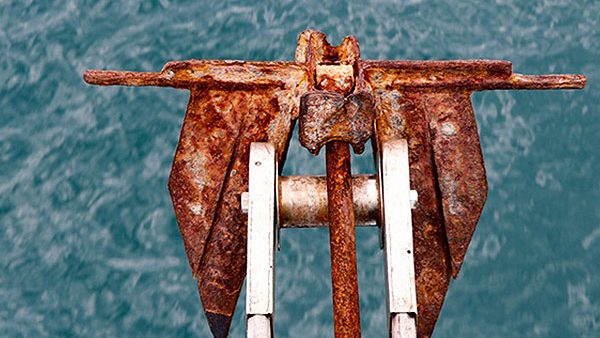
Salt is a serious problem because it corrodes metal surfaces and certain boat components. In addition, the salt promotes oxidation and rusting, which, in turn, weakens metal. Salt-related issues can lead to structural damage or harm vital parts of the engine. Also, saltwater corrosion can seriously impact electrical systems, leading to shorts or malfunctions.
Who is susceptible to corrosion from salt?
When considering saltwater corrosion, people naturally think of exposure to ocean environments. However, freshwater boaters should also be aware of the issues, especially if they live or trailer boats during cold winter months. In addition, if they drive on salt-covered roads, they may also be susceptible to salt issues.
Regarding saltwater care, is it necessary to rinse a boat off after each trip?
Regular rinsing is a critical part of maintaining a boat exposed to salt. Salt accumulates over time, so regular rinsing makes cleaning easier to stay on top of. In addition to rinsing the boat, owners should pay special attention to hard-to-reach areas. Little crevices are tricky and warrant detailed cleaning to prevent build-up and corrosion.
 Boating done right!